
4 Tips for a Healthier and More Sustainable Diet
Getting adequate nutrition while reducing the associated environmental impacts is one of today’s biggest challenges.
A healthy diet can be defined by nutrient adequacy goals, the desirable intake of certain food groups or adherence to a certain dietary pattern.
However, diets are more than the sum of the nutrients or foods consumed and eating patterns. They shape and are shaped by the way food is produced, acquired, distributed, marketed, selected, prepared and consumed.
In turn, sustainable nutrition is defined as the ability of food systems to provide enough energy and nutrients to keep the population healthy without compromising the ability of future generations to meet their nutritional needs.
This is because food systems are simultaneously the main cause of environmental degradation and depletion of natural resources.
The subject is complex, but at an individual level, making small changes to eating habits contributes to a significantly positive overall impact on both the environment and health.
4 tips you can start applying in your day-to-day life:
① Reduce food waste by using the cooking water from meat/fish and vegetables to make rice/pasta, using vegetable stems to thicken the base of soups, reusing leftovers from meals to make other dishes, such as quiche or pie, storing food at home so that you eat the ones that expire early first, drawing up a weekly menu, making a shopping list before going to the supermarket and cooking only the amount you need are some practical suggestions.
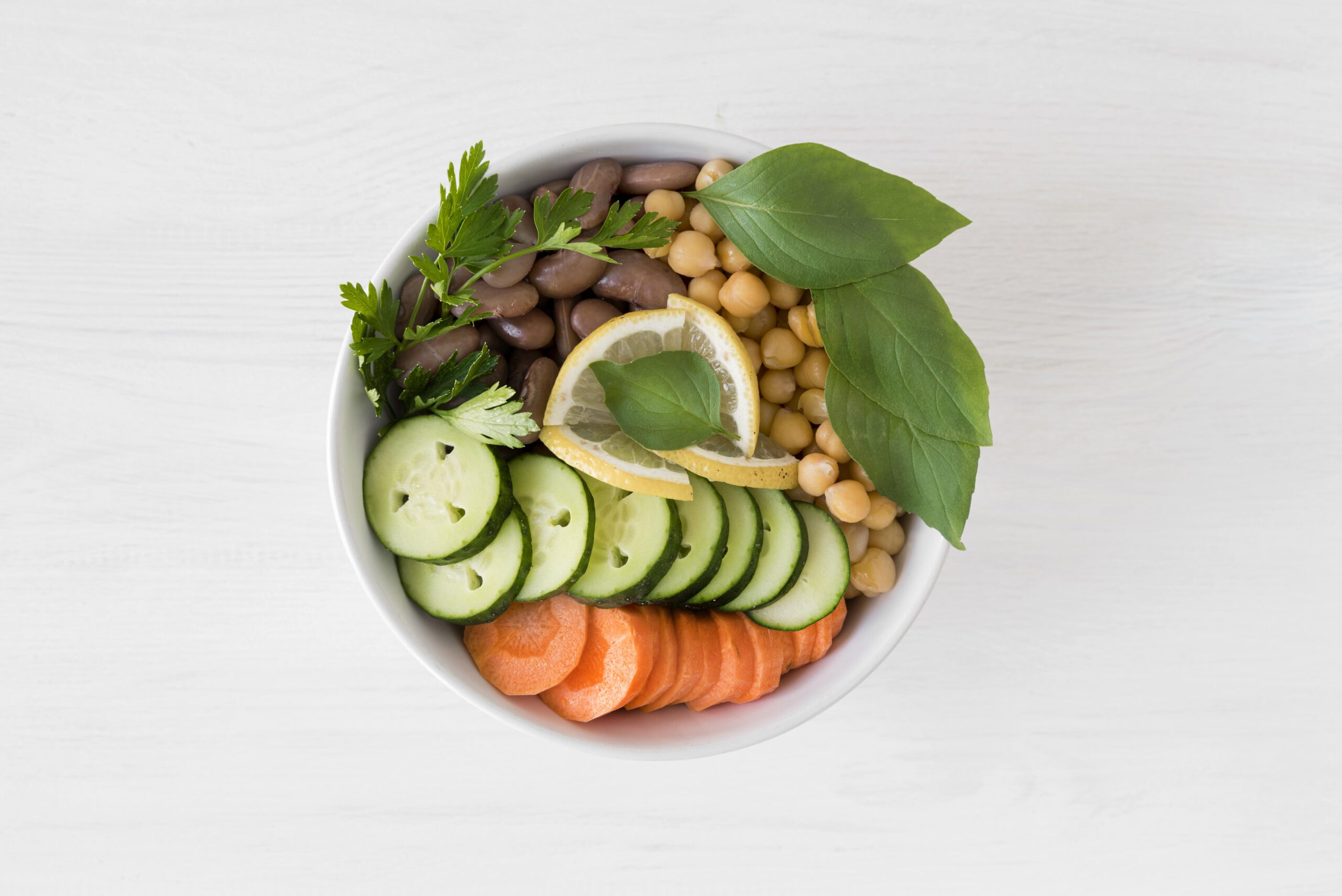
② Prioritize the consumption of vegetables and fruit in order to reach between 3 and 5 portions a day, giving preference to those produced in Portugal and in season. Ways to achieve this are, for example, vegetable soups, starters or snacks with carrot sticks, cucumber and tomato, smoothies and sandwiches or omelettes that include vegetables.
③ Limit salt, fat and sugar consumption by using herbs, spices and lemon juice to season vegetables, choose olive oil as the preferred fat for cooking, reduce meat consumption, especially red meat, and avoid adding sugar to food and drinks by using orange/lemon peel, cinnamon, star anise or mint leaves, for example.
④ Introduce an animal protein-free lunch/dinner once a week, such as soy bolognese, mushroom omelette, sautéed tofu with vegetables, seitan à Brás, black bean burger, among others.
It’s not always easy to introduce certain changes into our daily routine, but with willpower and the guidance of a nutritionist, everything becomes easier.
If you have the chance, don’t hesitate to seek personalized nutritional advice and start taking care of yourself and future generations as soon as possible.
Dr. Carina Santos
I have a degree in Dietetics and Nutrition from the Lisbon School of Health Technology and more than 10 years' experience specializing in weight loss.
Throughout my career, I have also developed nutricoaching skills, recognizing the importance of motivation and a positive attitude for the success of nutritional consultations.
At the same time, I value the balance between body and mind, regularly practicing swimming, power mix and therapeutic chi kung, activities that I consider fundamental for physical and mental well-being.
I believe that determination is the foundation of any process of transformation.