
Creatine: What it is, what it's good for and how to take it
Creatine is an amino acid derivative commonly found in muscle tissue that contributes to the supply of energy to the muscles and also to the brain
It is synthesized mainly in the kidneys, liver and pancreas through a two-step process involving three amino acids (arginine, glycine and methionine) and can also be obtained by eating foods such as fish, molluscs, crustaceans, red meat and poultry or through dietary supplements.
As creatine reserves are not fully saturated through dietary intake, dietary creatine supplementation has been recommended to optimize creatine reserves.
Creatine monohydrate is the gold standard compared to other forms of creatine due to its bioavailability, efficacy and safety.
It is one of the most studied aids:
- Enhance adaptation to endurance training
- Reduce recovery time
- Improve running performance,
- Effective dietary supplement for team sports
Supplement with creatine (based on current literature):
Supplementation is safe over short- and long-term intervals for healthy men and women, as well as in properly monitored younger and older individuals.
Use should be avoided in those with pre-existing kidney disease or medical conditions that affect glomerular filtration rate.
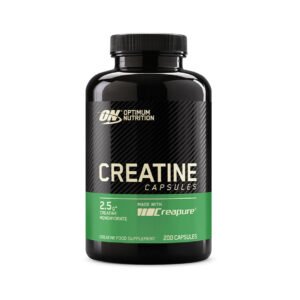
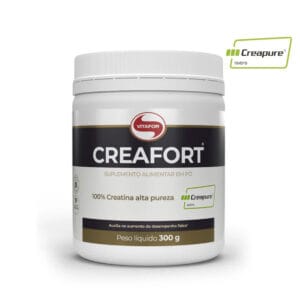
Consumers should select creatine supplements that have been properly tested and certified for quality/purity(Creapure ® seal), avoiding the health risks associated with contaminants.
Creatine intake, through supplements at a dose of 20g per day for 5 to 7 consecutive days, is shown to rapidly increase intramuscular creatine, producing immediate ergogenic benefits.Correspondingly, a regimen of 3 to 5 g/day for 4 weeks increases creatine reserves, improves muscle performance, aids recovery and results in muscle gain.
In conjunction with carbohydrates or carbohydrates and protein, creatine supplementation appears to be effective in increasing intramuscular creatine retention.
There are more significant improvements in strength and fat-free mass, and no adverse side effects related to supplementation have been reported
Dr. Carina Santos
I have a degree in Dietetics and Nutrition from the Lisbon School of Health Technology and more than 10 years' experience specializing in weight loss.
Throughout my career, I have also developed nutricoaching skills, recognizing the importance of motivation and a positive attitude for the success of nutritional consultations.
At the same time, I value the balance between body and mind, regularly practicing swimming, power mix and therapeutic chi kung, activities that I consider fundamental for physical and mental well-being.
I believe that determination is the foundation of any process of transformation.