


I have cholesterol and now what?
Discovering that you have high cholesterol can be frightening, but there’s no need to panic.
The good news is that with a few simple changes to your lifestyle and the help of appropriate supplements, you can manage your cholesterol levels effectively and improve your long-term health.
What is Cholesterol?
Cholesterol is an essential molecule for our body, present in almost all animal cells. It is essential for maintaining cell structure, as well as for hormone production, cell signaling and the balance of lipids and glucose. However, when it is out of balance, it can be a major
enemy of our health.
Cholesterol is produced in the liver and stored in adipose tissue. In the blood, it is transported by lipoproteins, which can be low density (LDL) or high density (HDL). Herein lies the difference between “bad cholesterol” and “good cholesterol”.
Types of Cholesterol
LDL: The “Bad” Cholesterol
Low-density lipoproteins (LDL) transport cholesterol from the liver to the tissues. When LDL levels are high, fatty plaques are more likely to form in the arteries, which can lead to cardiovascular disease.
HDL: The “Good” Cholesterol
On the other hand, HDL transports excess cholesterol from the tissues back to the liver, where it is eliminated. In addition, HDL has anti-inflammatory, antioxidant and anti-thrombotic properties, protecting the body against
heart problems.
Ideal Cholesterol Levels
Keeping cholesterol levels within the recommended range is crucial for cardiovascular health. Here are the ideal values:
- Total cholesterol: Around 150 mg/dL (3.8 mmol/L)
- LDL ch olesterol (“bad” cholesterol): Less than 100 mg/dL (2.6 mmol/L)
- HDL ch olesterol (“good” cholesterol): Over 60 mg/dL (the higher
, the better) - Triglycerides: Less than 150 mg/dL
If LDL levels are high or HDL levels are low, the risk of cardiovascular disease increases significantly.
Symptoms of High Cholesterol
In most cases, high cholesterol has no symptoms. That’s why regular blood tests are essential, especially for those over 45.
However, in more serious situations, signs can appear such as:
- Chest pain or shortness of breath due to plaque build-up in the arteries;
- Xanthomas: Small accumulations of fat visible on the skin;
- Yellowish rings around the iris in the eyes (in genetic cases)
What can you do to improve your cholesterol levels?
Improving cholesterol starts with lifestyle changes. Here are some effective strategies:
1. Adopt Healthy Habits
- Exercise: The ideal is 3-4 weekly sessions of 40
minutes each, with moderate to vigorous intensity. - Sleep well: Between 7 and 9 hours of sleep a night.
- Managing stress: Chronic stress can affect cholesterol levels.
- Quit smoking: Smoking reduces HDL and increases cardiovascular risk.
2. Taking care of your diet
- Prefer healthy fats: avocado, nuts, seeds and olive oil.
- Consume more vegetables and fruit: They are rich in fiber, which helps to
reduce cholesterol. - Include lean proteins: Fish, skinless poultry and dairy products
lean. - Reduce saturated and trans fats: Avoid red meat
, pastries, industrial margarine and fried foods.
3. Maintain a Healthy Weight
Avoid being overweight, as this is directly linked to an increase in LDL cholesterol levels and a reduction in HDL.
Food and natural supplements
Over time, it has been recommended to restrict overall fat intake, but current scientific evidence emphasizes the modification of the quality of the fat consumed and its dietary sources, not just total fat intake..
In this sense, a diet should be adopted low in saturated fat, low in trans fat, but including healthy fats such as nuts, avocados and seeds. A intake of vegetables, fruits, whole grains, legumes, healthy protein sources such as low-fat dairy products, poultry meat (without skin) and fish is equally important.
The main sources of saturated fatty acids are animal productssuch as butter, high-fat dairy products (e.g. cheese), red meat, egg yolks and some products such as chocolate and cocoa butter.
There are two common sources of trans fats, animal trans fat (food from ruminant animals) e industrial trans fat (foods containing partially hydrogenated vegetable oils)). Avoid foods containing these oils, for example, margarine, commercial bakery products, fast food and fried.
With regard to natural supplements for controlling cholesterol levels the following stand out:
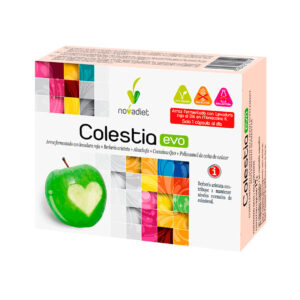
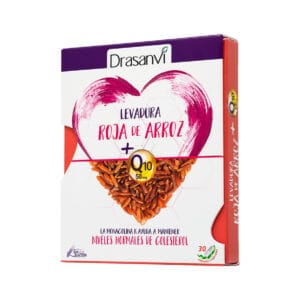
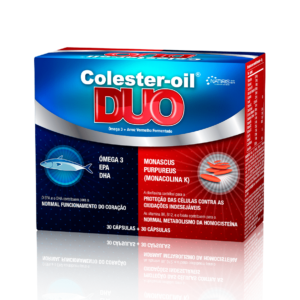
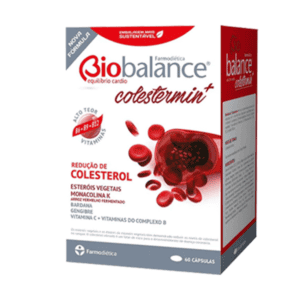
- Red Yeast Rice (Red Yeast Rice) – Produced by fermenting ordinary rice with yeast Monascus purpureus. Red rice has a cholesterol-lowering effect due to the presence of monacolin K, which inhibits the enzyme that limits the rate of cholesterol synthesis in the liver.
-
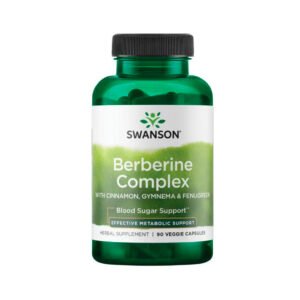
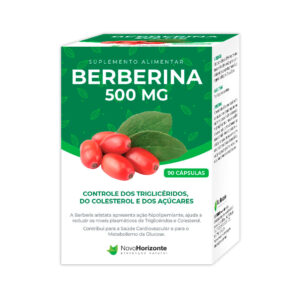
Berberine – É an isoquinoline plant alkaloid belonging to the class of protoberberines present in various plants such as Berberis vulgaris, Coptis chinensis, Berberis aristato. Berberine induces a significant reduction in total cholesterol, LDL cholesterol and triglycerides and a significant increase in HDL cholesterol levels.”

Dr. Carina Santos
I have a degree in Dietetics and Nutrition from the Lisbon School of Health Technology and more than 10 years' experience specializing in weight loss.
Throughout my career, I have also developed nutricoaching skills, recognizing the importance of motivation and a positive attitude for the success of nutritional consultations.
At the same time, I value the balance between body and mind, regularly practicing swimming, power mix and therapeutic chi kung, activities that I consider fundamental for physical and mental well-being.
I believe that determination is the foundation of any process of transformation.