


Menopause: A phase in a woman's life cycle
The menopause is a natural time in a woman’s life that brings with it some challenges. Knowing a little more about this topic is the first step to getting through this phase with more peace of mind and confidence.
What is the menopause?
The menopause occurs when there is no menstruation for a year, which usually happens between the ages of 45 and 55.
Basically, it’s a climacteric milestone, i.e. the transition between the reproductive and non-reproductive periods of a woman’s life.
During the climacteric and menopause there are marked hormonal changes, and various symptoms with different intensity and frequency are common.
Frequent symptoms:
- Hot flushes, sudden hot flushes and night sweats
- Headache
- Joint pain
- Anxiety, irritability and insomnia
- Difficulty concentrating
- Reduced libido and vaginal dryness
- Skin and hair changes
- Increased prevalence of obesity, metabolic syndrome, cardiovascular disease and osteoporosis
How can symptoms be better managed?
Diet and lifestyle play a fundamental role in reducing symptoms, as well as preventing and treating diseases associated with this stage.
The main recommendations for improving symptoms are:
- Control body weight through a varied and balanced diet, focusing on the consumption of vegetables and fruit
- Avoid excessive salt consumption by using aromatic herbs and spices.
- Eat oily fish at least twice a week and avoid red meat.
- Include 30g of natural oleaginous fruits a day, such as almonds, cashews and walnuts.
- Avoid refined sugars found in sweets, cakes and soft drinks
- Reduce or eliminate smoking habits and moderate caffeine and cholesterol consumption
- Ensure an adequate intake of calcium and vitamin D
- Avoid processed foods and alcoholic beverages
- Exercise regularly
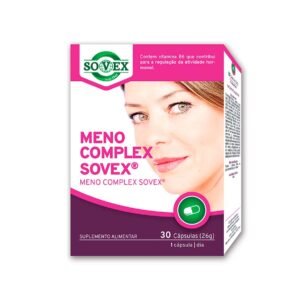
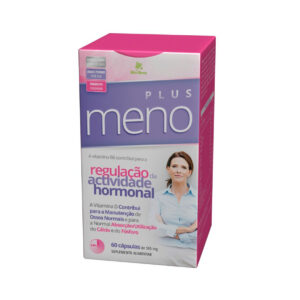
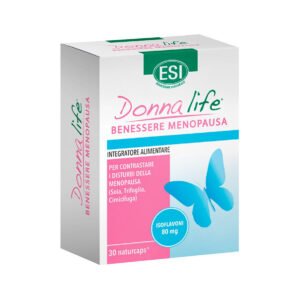
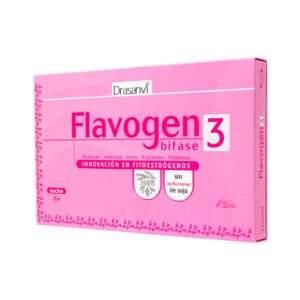
- Use natural supplements, under professional guidance
Natural supplements: An alternative treatment
Although more studies are still needed to consolidate the positive effect of using natural supplements to treat the climacteric and menopause, here are some of the options available and their benefits.
Soy isoflavones – Aimed at preventing and treating skin ageing, they also help to reduce hot flushes.
Probiotics – Act in maintaining the integrity of the intestinal barrier, reducing inflammation. They have a positive effect on some cardiovascular risk factors.
Vitamins B6 and B12, magnesium, zinc and tryptophan – Participate in the synthesis of melatonin, having a positive effect on sleep and preventing cognitive decline.
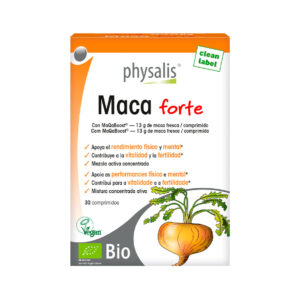
Maca-peruana – Improves memory and concentration, strengthens the immune system and acts as an aphrodisiac, helping to promote libido and relieve stress.
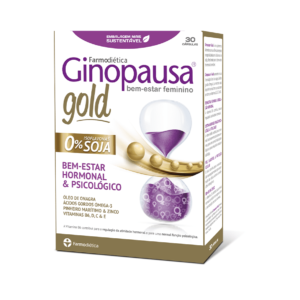
Evening primrose oil – Effective in reducing the frequency and intensity of night sweats.
Vitamin D – Essential for increasing calcium absorption and preventing osteoporosis. A large part of vitamin D comes from sun exposure, which is not always sufficient, so supplementation is necessary.
Dr. Carina Santos
I have a degree in Dietetics and Nutrition from the Lisbon School of Health Technology and more than 10 years' experience specializing in weight loss.
Throughout my career, I have also developed nutricoaching skills, recognizing the importance of motivation and a positive attitude for the success of nutritional consultations.
At the same time, I value the balance between body and mind, regularly practicing swimming, power mix and therapeutic chi kung, activities that I consider fundamental for physical and mental well-being.
I believe that determination is the foundation of any process of transformation.