
Mental Health: What it is and how to take care of it
Understanding mental health implies clarifying the concept of health. After all, health is considered to be a state of complete physical, mental and social well-being, and not just the absence of problems or illnesses.
Physical and mental health are closely linked to human development and productivity at an individual and collective level. Through mental health, the individual generates their own maturity, as well as that of their family, which contributes to the progress of the community in which they live.
What can you do to take care of your mental health?
Throughout our lives, multiple individual, social and structural determinants can combine to protect or undermine the continuity of our mental health.
In any of these situations, self-care is essential.
Self-care means taking the time to do things that help us live well and improve our physical and mental health. This can help us manage stress, reduce the risk of illness and increase our energy.
Small acts of self-care in our daily lives can have a big impact. Here are some examples:
Exercise regularly. Just 30 minutes of walking a day can improve your mood and health. If you can’t walk for that long at first, don’t get discouraged, just adapt to your possibilities.
Stay hydrated and eat healthy, small and frequent meals. Be aware of your caffeine and alcohol intake and how they affect your mood and well-being – for some, cutting back on caffeine and alcohol can be helpful.
Make sleep a priority. Follow a schedule and make sure you get enough sleep. Blue light from devices and screens can make it difficult to fall asleep. Reduce exposure to blue light from your cell phone or computer before bed.
Try a relaxing activity. Meditation, stretching or breathing exercises are some options. Schedule regular times for these and other healthy activities you enjoy, such as listening to music, reading, spending time in nature or engaging in low-stress activities.
Define goals and priorities. Decide what needs to be done now and what can wait. Learn to say “no” to new tasks if you start to feel overwhelmed and try to appreciate what you have achieved at the end of the day.
Practice gratitude. Remind yourself daily of the things you are grateful for. Be specific. Write them down or repeat them in your mind.
Focus on positivity. Identify and challenge your negative and unhelpful thoughts.
✔ Maintaining social connections: Spending time with friends, family or close people strengthens bonds and helps reduce stress. Talking, sharing worries and letting off steam can be a great support.
✔ Seeking professional supportTherapy is not just for dealing with crises: it is an effective form of self-knowledge and prevention, helping to develop resilience and a more balanced mind to face the challenges of everyday life. Very useful for dealing with specific issues and developing coping tools.
Natural supplementation
Anxiety and mood disorders are the main mental conditions associated with other mental health disorders that impact on quality of life.
To this end, we have identified some plants used to manage mental health problems, such as sleep, stress, anxiety and depression:
Bacopa monnieri – Acts as a neuroprotector, improving memory and reducing stress.
Valerian – Sedative and anxiolytic effect.
Sage – Cognitive enhancement, anxiety reduction, potential in dementia and other neurological problems.
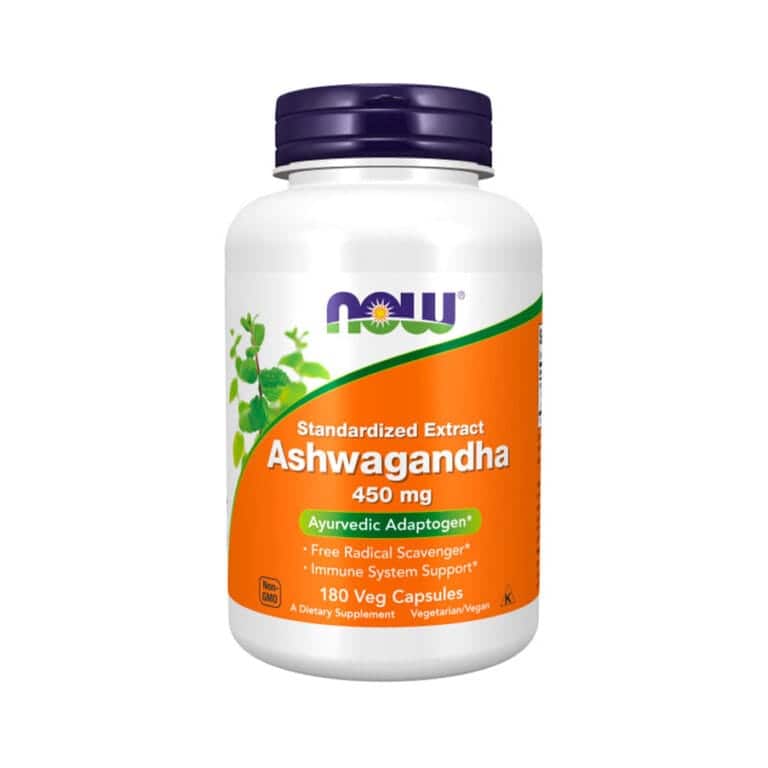
Ashwaganda – Positive effect on managing stress, anxiety and improving sleep.
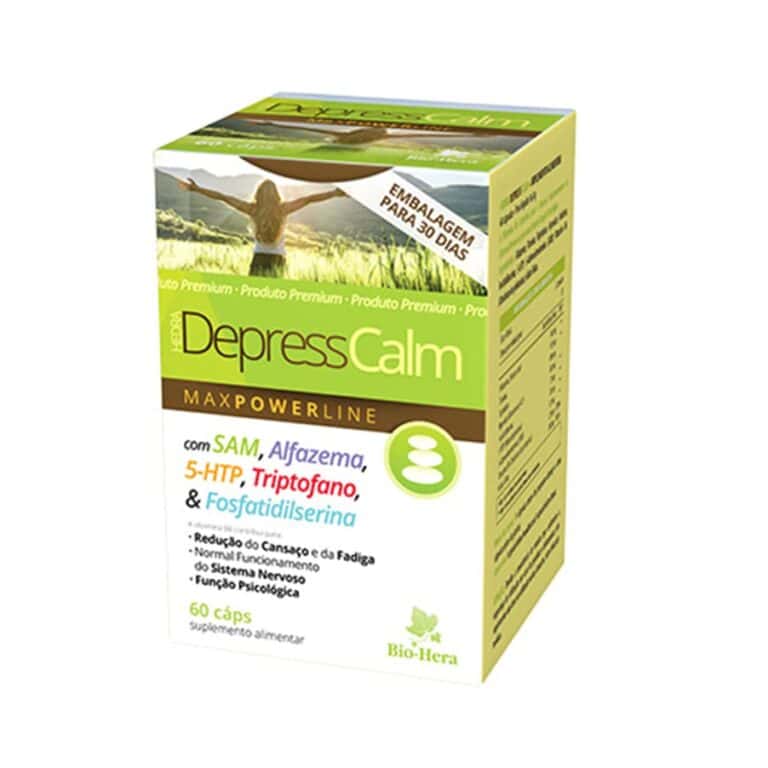
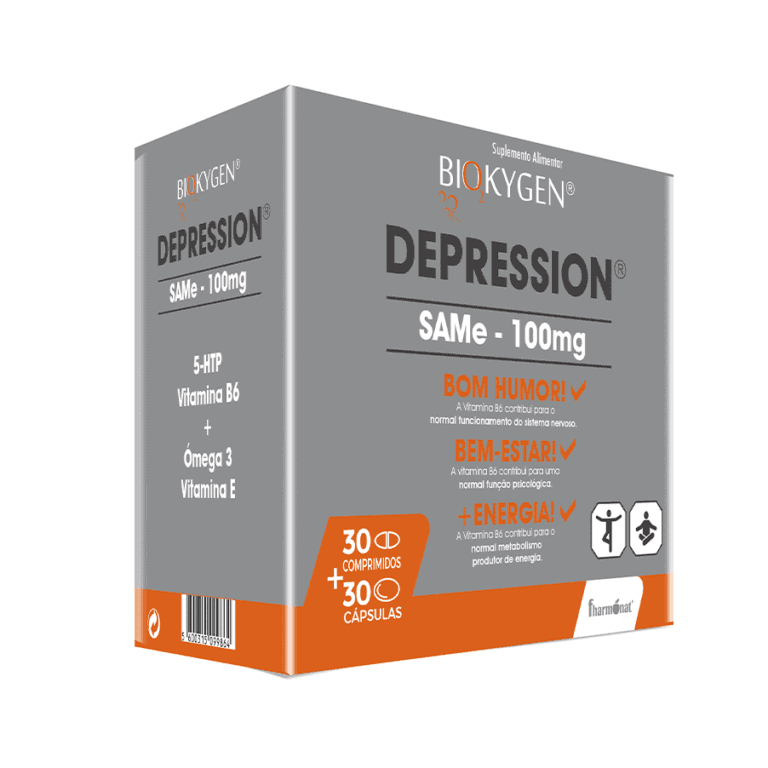
Griffonia Simplicifolia (5-HTP) – Can be effective in the treatment of fibromyalgia, headaches, insomnia, anxiety control and, above all, depression.
Dr. Carina Santos
I have a degree in Dietetics and Nutrition from the Lisbon School of Health Technology and more than 10 years' experience specializing in weight loss.
Throughout my career, I have also developed nutricoaching skills, recognizing the importance of motivation and a positive attitude for the success of nutritional consultations.
At the same time, I value the balance between body and mind, regularly practicing swimming, power mix and therapeutic chi kung, activities that I consider fundamental for physical and mental well-being.
I believe that determination is the foundation of any process of transformation.