

What does Clean Label mean?
O he clean label concept was born out of the growing demand for alternative food products
that are more natural and provide clear information.
Essentially, clean label means making products without chemical additives , with easy-to-understand lists of ingredients and produced using simpler traditionaltechniques , with limited processing.
Products must also have organoleptic characteristics such as color, taste and texture that meet consumer expectations and maintain food safety, which has been linked to trust in food manufacturers.
How to identify clean label products?
The best way to know if a product is clean label is to check the list of ingredients, which should be short and exclude preservatives and artificial colorings.
Colorants are food additives that add or restore color to a food. Preservatives are food additives that prolong the shelf life of a food by protecting it from deterioration caused by microorganisms.
Among the most commonly used artificial colorings are:
- Tartrazine (E-102)
- Yellow – sun (E-110)
- Erythrosine (E-127)
- Indigotine or indigo carmine (E-132)
- Bright Blue (E-133)
With regard to synthetic preservatives, we have, for example :
– Sodium sulphite (E 221)
– Sodium metabisulphite (E 223)
– Potassium metabisulphite (E 224)
– Calcium sulphite (E 226)
– Hexamethylenetetramine (E 239)
What are the benefits of Clean Label?
In addition to knowing what you are really eating and where the product comes from, choosing
clean label provides:
✓ Consumption of higher quality meals with natural foods that taste more authentic while preserving their nutritional constitution.
Reduced consumption of artificial colorings and preservatives which have various harmful effects on human health, such as allergic reactions and gastrointestinal disorders.
✓ Encouragement of organic certification and a focus on sustainability, quality and production of products, which is better for all of us and the planet we live on.
Dr. Carina Santos
I have a degree in Dietetics and Nutrition from the Lisbon School of Health Technology and more than 10 years' experience specializing in weight loss.
Throughout my career, I have also developed nutricoaching skills, recognizing the importance of motivation and a positive attitude for successful nutritional consultations.
At the same time, I value the balance between body and mind, regularly practicing swimming, power mix and therapeutic chi kung, activities that I consider fundamental for physical and mental well-being.
I believe that determination is the foundation of any process of transformation.
O he clean label concept was born out of the growing demand for alternative food products
that are more natural and provide clear information.
Essentially, clean label means making products without chemical additives , with easy-to-understand lists of ingredients and produced using simpler traditionaltechniques , with limited processing.
Products must also have organoleptic characteristics such as color, taste and texture that meet consumer expectations and maintain food safety, which has been linked to trust in food manufacturers.
How to identify clean label products?
The best way to know if a product is clean label is to check the list of ingredients, which should be short and exclude preservatives and artificial colorings.
Colorants are food additives that add or restore color to a food. Preservatives are food additives that prolong the shelf life of a food by protecting it from deterioration caused by microorganisms.
Among the most commonly used artificial colorings are:
- Tartrazine (E-102)
- Yellow – sun (E-110)
- Erythrosine (E-127)
- Indigotine or indigo carmine (E-132)
- Bright Blue (E-133)
With regard to synthetic preservatives, we have, for example :
– Sodium sulphite (E 221)
– Sodium metabisulphite (E 223)
– Potassium metabisulphite (E 224)
– Calcium sulphite (E 226)
– Hexamethylenetetramine (E 239)
What are the benefits of Clean Label?
In addition to knowing what you are really eating and where the product comes from, choosing
clean label provides:
✓ Consumption of higher quality meals with natural foods that taste more authentic while preserving their nutritional constitution.
Reduced consumption of artificial colorings and preservatives which have various harmful effects on human health, such as allergic reactions and gastrointestinal disorders.
✓ Encouragement of organic certification and a focus on sustainability, quality and production of products, which is better for all of us and the planet we live on.
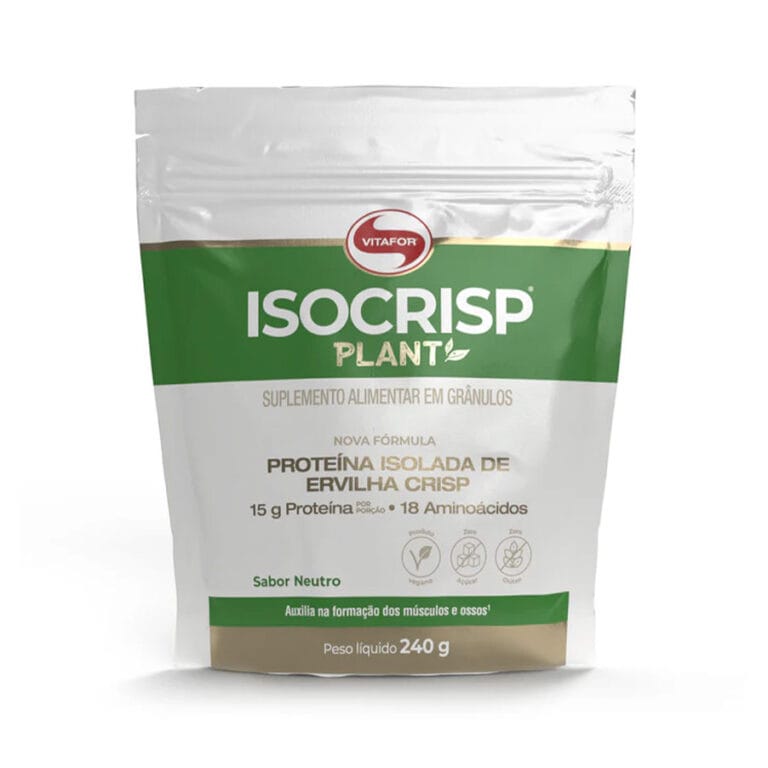
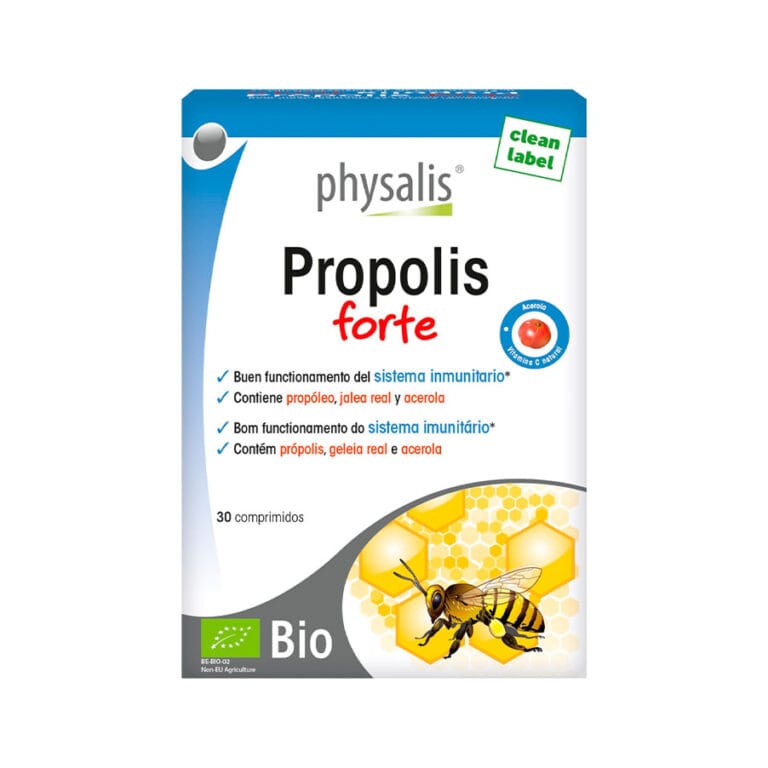
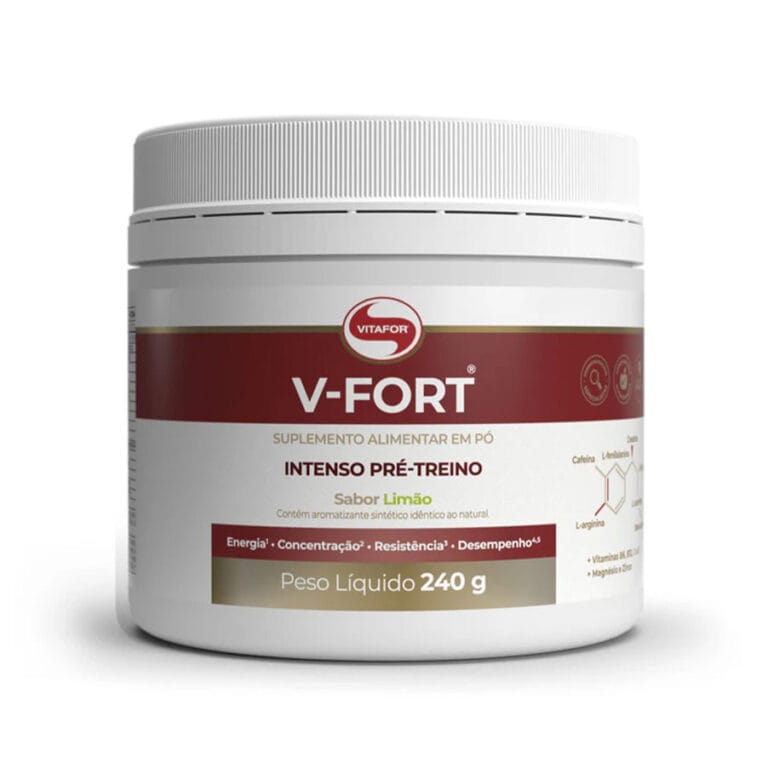
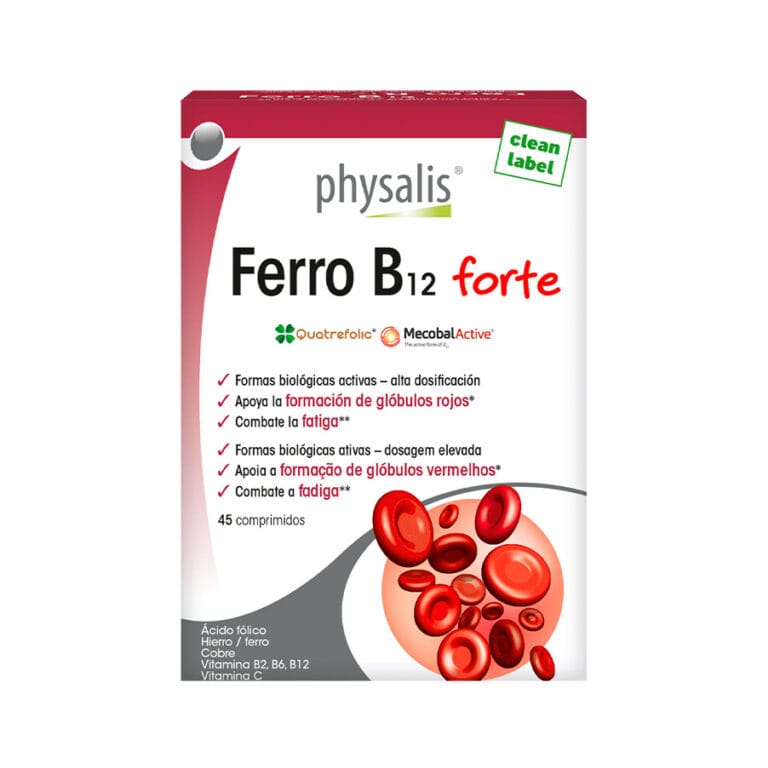
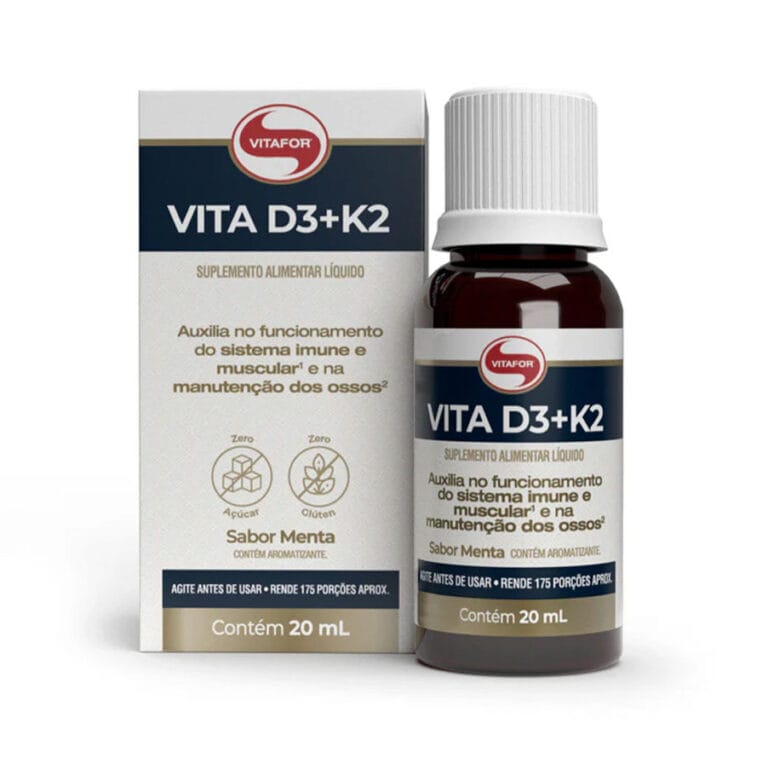
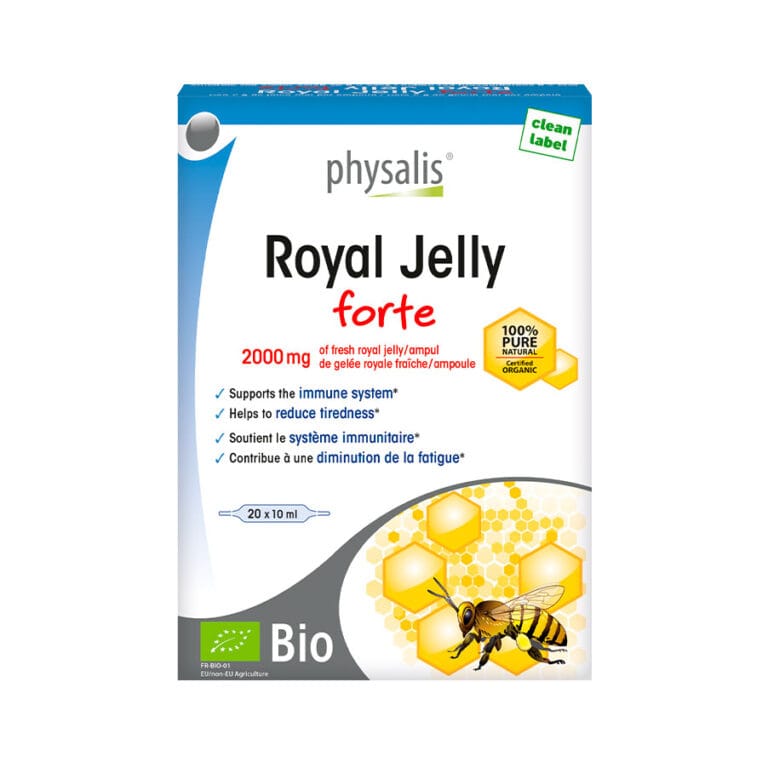
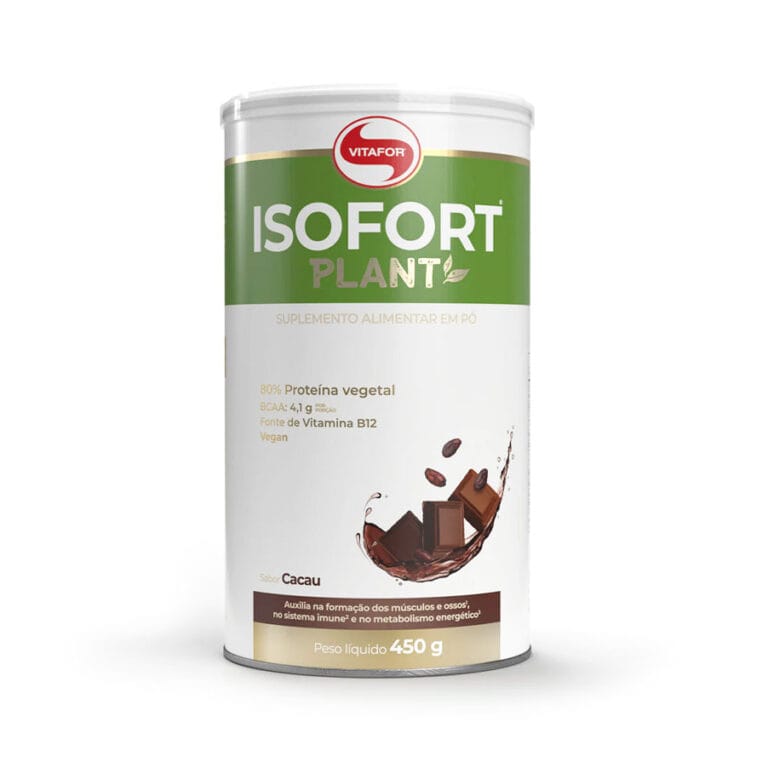
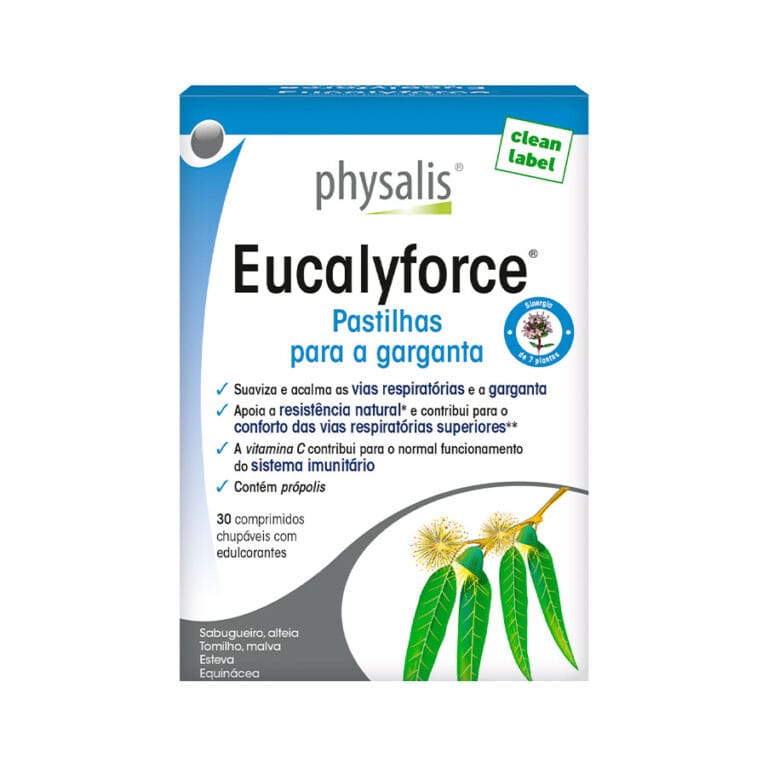
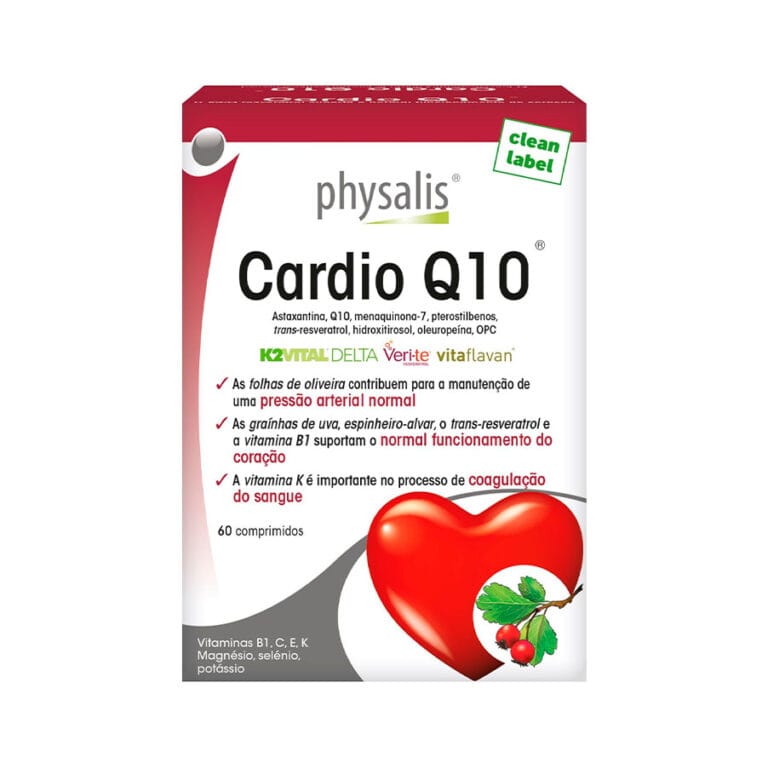
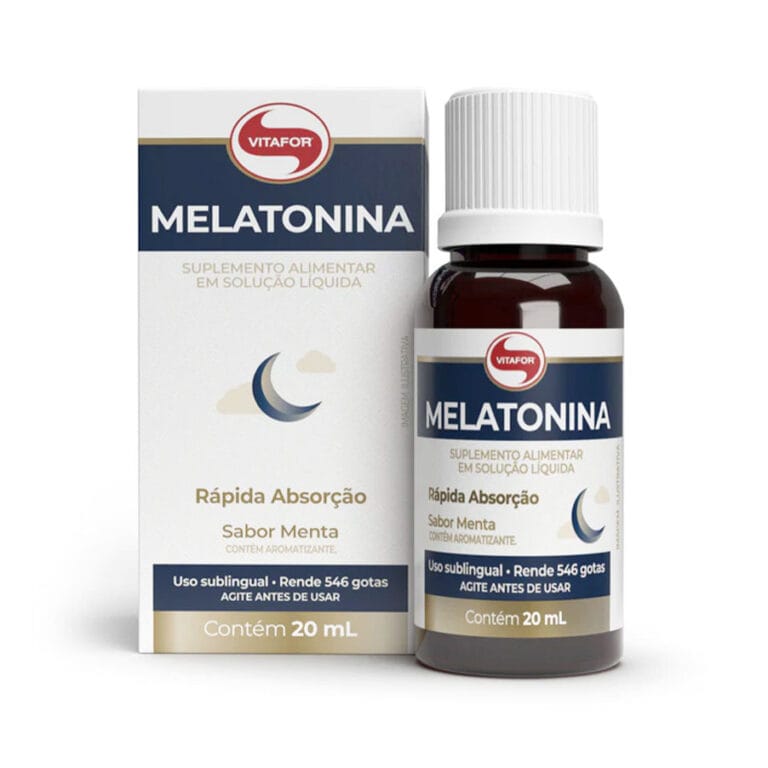
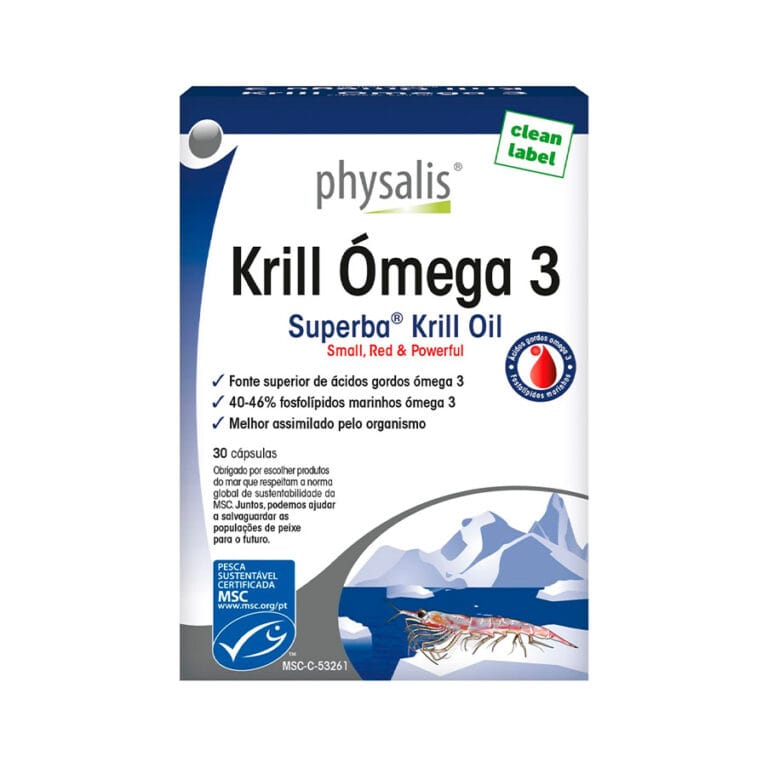
Examples of Clean Label products:
Examples of Clean Label products: