

Which magnesium is right for me?
If you often suffer from muscle pain, I’m sure you’ve already looked into magnesium.
Magnesium is an abundant mineral in the body that is naturally present in many foods, but is also added to food products, available as a dietary supplement and present in some medicines (such as antacids and laxatives).
It is responsible for various biochemical reactions involved at the level of:
- Energy production and storage
- Control of neuronal and vasomotor activity
- Bone formation
- Cardiac excitability
- Muscle contraction
- Glucose metabolism
Almost half of magnesium absorption occurs in the small intestine and colon, but it is mostly stored in the bones. The kidneys are responsible for by its excretion.
An addition to the well-known muscle cramps, many other symptoms manifest when there is a magnesium deficitincluding:
⮕ Headache
Cardiac arrhythmias, hypertension
⮕ Sleep disorders
⮕ Depression
⮕ Complications in pregnancy
Insulin resistance, impaired glucose tolerance
⮕ Active vitamin D deficiency
A magnesium deficiency can also result in impairment of physical performance and plays an important role in muscle pain after training.
Types of magnesium – What are the benefits and how to choose?
In general, magnesium supplements are well tolerated and improve multiple markers of the disease state.
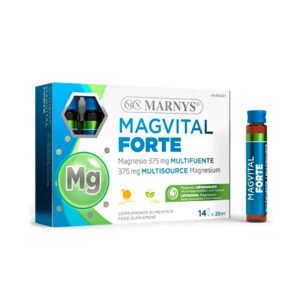
They are available various formulas magnesiumincluding:
- Inorganic – Magnesium Oxide, Magnesium Chloride, Magnesium Sulfate.
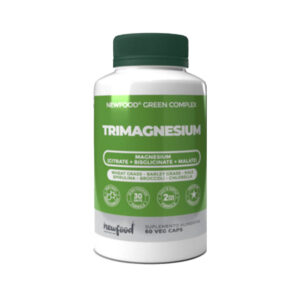
- Organicas – CMagnesium itrate, Magnesium malate, Pidolate Pidolate, Taurate Taurateésio, L-Training Magnesium and Magnesium Bisglycinate.
In general, the absorption of organic magnesium salts is better than the absorption of inorganic compounds.
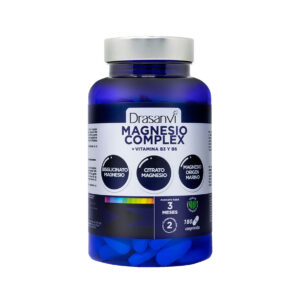
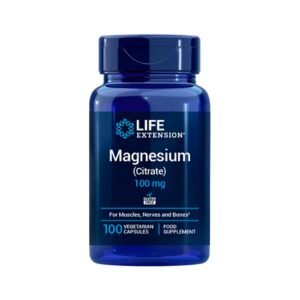
Magnesium citrate:
A bhigh solubility, stability and bioavailability make Magnesium Citratethe most accessible preparation for supplementation in magnesiumand can help, e.g.:
✓ Qome who suffer from migraines – by reducing their frequency.
Menopausal women – improving bone mineral density and reducingreducing the risk of fractures.
✓ Who has difficulty sleeping – having positive effect on sleep parameters.
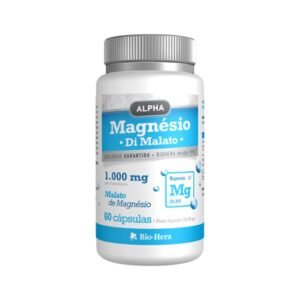
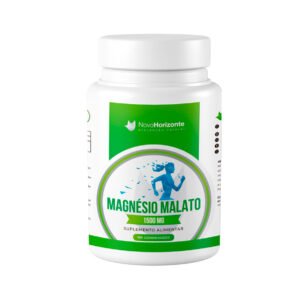
Magnesium malate:
O magnesium malate combines magnesium with malic acid, a natural substance found in fruits.os and vegetables.
A integration of malic acid increases the antioxidant properties of the supplementwhich makes magnesium malate a good choice, for example for:
✓ Reduce muscle pain and fatigue – which is advantageous for athletes and for those dealing with chronic pain.
✓ Improve digestion – a formula more suitable for those suffering from gastric sensitivity.
✓ Reduce symptoms of anxiety and depression
✓ Improve bone mineral density
Magnesium L-Threonate:
O L-magnesium threonate magnesium threonate demonstrates protective effect againstdamage by oxidative stress, relief of inflammation in the gut-liver-brain axis, remodeling of the intestinal microbiota e improved memory and learning capacity, being an added value in the case of:
✓ Neurodegenerative diseases (e.g. Alzheimer’s)
✓ Alcohol-mediated diseases (e.g. alcoholic hepatitis)
✓ Depressive symptoms
Magnesium Bisglycinate:
Magnesium bisglycinate is a chelated form of magnesium consisting of a magnesium ion bound to two glycine molecules. In turn, glycine is abundant in collagen and a precursor of creatine. It also acts as a calming neurotransmitter in the brain, supporting the activity of other important neurotransmitters such as serotonin. Thus, magnesium bisglycinate can:
✓ Stimulate muscle mass gain
Promote skin firmness and elasticity
Supporting sleep quality and help combat daytime sleepiness and fatigue
Acting to improving neurological symptoms in populations with psychiatric illnesses, especially in Schizophrenia
How to take it and what to consider?
Magnesium is absorbed better if it is taken in multiple low doses during the dayrather than a single large dose.
A daily intake of of magnesium in men ranges from 400 to 420mg per daywhile in women is between 310 to 320 mg per day.
Approximately 30% to 40% of dietary magnesium intake is usually absorbed by the body. However, there are variables that can facilitate or hinder the absorption of magnesium.
Factors that facilitate the absorption of magnesium:
- Aunrefined or unprocessed foods
- Fermentable fiber (e.g. inulin, resistant starch)
- Peptides from casein or whey
- Vitamin D
- Vitamin B6
- Water with a high magnesium content
Factors that hinder the absorption of magnesium:
- Refined or processed foods
- Drinks and foods with a high phosphorus content (e.g. soft drinks and processed meats)
- Excessive consumption of calcium and aluminum
- Low protein intake (less than 30g per day)
- Alcoholic drinks and coffee
- Some medicines (e.g. diuretics, insulin and digitalis)
However, it is always important to be aware of possible side effects and drug interactions. Consulting a health professional in these cases is essential.
Finally, when choosing a magnesium supplement, you should take into account the origin and production practices and opt for brands that
- Prioritize high quality ingredients and sustainable manufacturing.
- Emphasize ethical sourcing sustainability and ecological packaging.
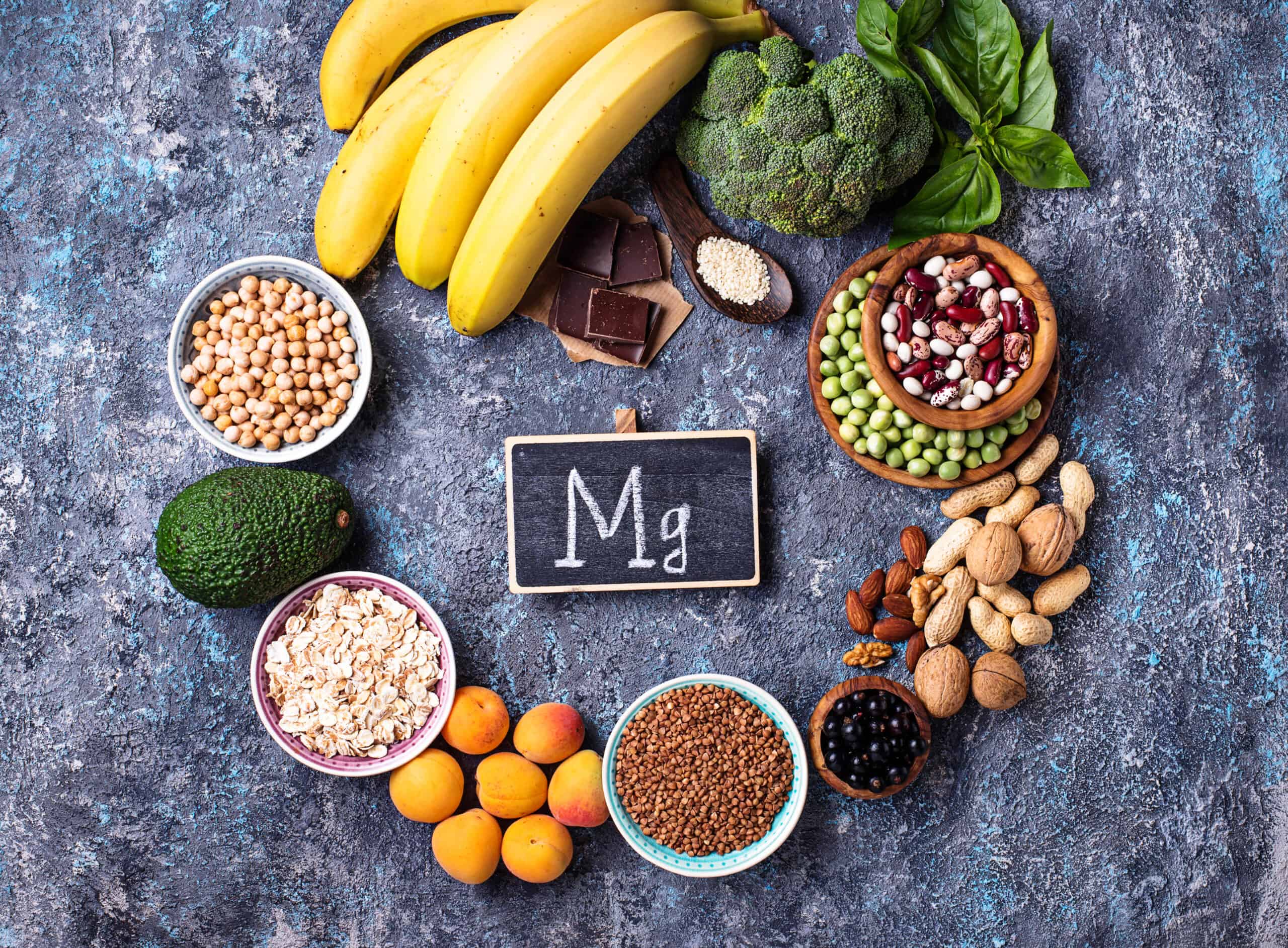
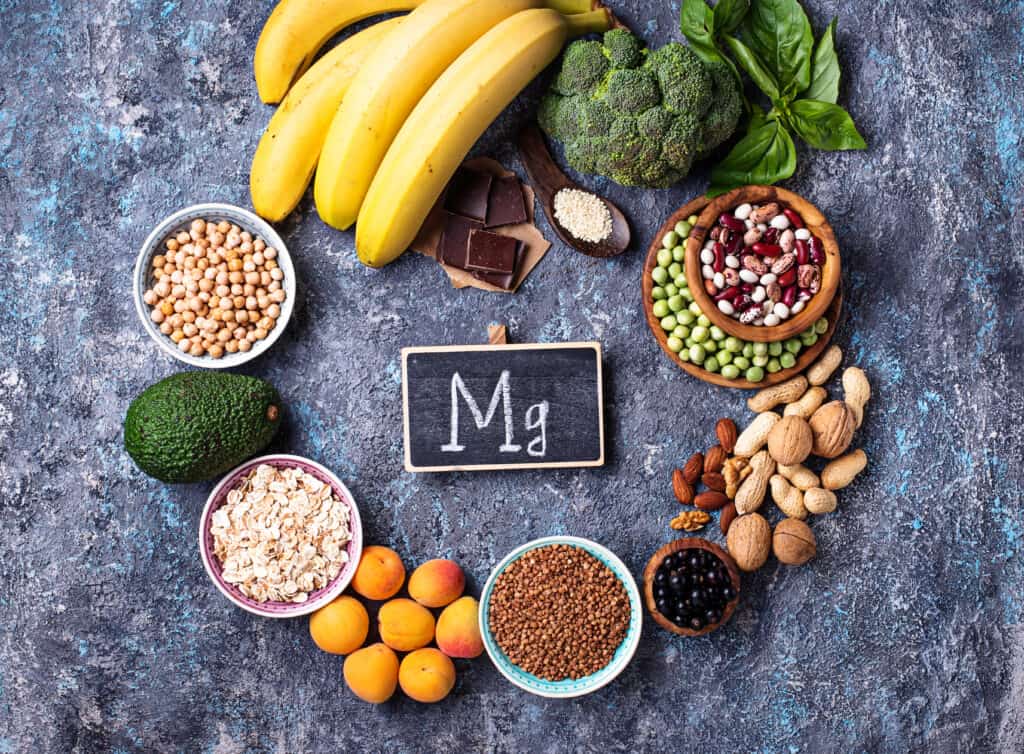
Where can you find magnesium in food?
In general, good food sources of magnesium include:
Seeds (e.g. sesame, chia, pumpkin)
Green leafy vegetables (e.g. spinach)
Pulses (e.g. black beans and soybeans)
Oily fruits(e.g. almonds, cashew nuts, Brazil nuts and peanuts)
⮕Whole grain breads and cereals (brown rice, corn, quinoa)
⮕Some fruits (e.g. banana, avocado)
⮕Cacao





















Dr. Carina Santos
I have a degree in Dietetics and Nutrition from the Lisbon School of Health Technology and more than 10 years’ experience specializing in weight loss.
Throughout my career, I have also developed nutricoaching skills, recognizing the importance of motivation and a positive attitude for the success of nutritional consultations.
At the same time, I value the balance between body and mind, regularly practicing swimming, power mix and therapeutic chi kung, activities that I consider fundamental for physical and mental well-being.
I believe that determination is the foundation of any process of transformation.